
Mountain View Slip-and-Fall Lawyer
Mountain View Slip-and-Fall Lawyer
Our Mountain View slip-and-fall lawyer can help investigate whether an unsafe property condition caused a serious injury and whether a property owner, tenant, business, manager, contractor, or public entity may be legally responsible. Falls may occur in stores, restaurants, apartment buildings, office campuses, hotels, parking facilities, sidewalks, construction areas, and other public or private locations.
Mountain View includes a busy downtown, major technology campuses, apartment communities, shopping areas, hotels, restaurants, medical facilities, transit stations, and heavily used pedestrian routes. A spill, damaged sidewalk, defective stairway, loose floor mat, inadequate lighting, obstructed walkway, or poorly maintained entrance can cause fractures, concussions, ligament damage, and other serious injuries.
A fall alone does not prove that a property owner was negligent. The injured person generally must identify the dangerous condition, connect it to the injury, and establish why a person or business responsible for the property should be held accountable.
Aria Law Group represents people injured in slip-and-fall and other premises-liability accidents in Mountain View and throughout Santa Clara County. We investigate the property condition, determine who controlled the area, preserve evidence, evaluate notice, and document the medical and financial effects of the injury.
Start Your Free Consultation
Cases a Mountain View Slip-and-Fall Lawyer Handles
Slip-and-fall cases may arise from many types of properties and unsafe conditions.
Grocery Store and Retail Falls
Falls in supermarkets, pharmacies, shopping centers, and retail stores may result from:
- Spilled liquids
- Leaking refrigeration equipment
- Food or produce on the floor
- Merchandise left in an aisle
- Loose floor mats
- Recently cleaned surfaces
- Uneven flooring
- Missing warning signs
A central issue is often whether an employee created the condition, knew about it, or should have discovered it through reasonable inspection procedures.
Restaurant and Café Accidents
Mountain View has substantial restaurant and café activity near Castro Street, downtown, El Camino Real, and surrounding commercial areas.
Falls may result from:
- Spilled food or drinks
- Greasy floors
- Wet entrances
- Uneven patios
- Crowded walkways
- Improperly placed furniture
- Damaged flooring
- Poor lighting
Relevant evidence may include surveillance footage, cleaning schedules, inspection records, employee testimony, receipts, incident reports, and witness statements.
Apartment and Rental-Property Falls
Tenants, visitors, delivery workers, and contractors may be injured in apartment-building common areas because of:
- Broken stairs
- Loose handrails
- Poor lighting
- Uneven walkways
- Water accumulation
- Damaged flooring
- Defective gates
- Poorly maintained parking areas
The lease, maintenance responsibilities, repair requests, inspection records, and property-management arrangements may help determine who was responsible.
Technology Campus and Office Accidents
Mountain View contains major technology campuses, office buildings, research facilities, and professional properties.
Falls may occur in:
- Office lobbies
- Parking structures
- Interior stairways
- Restrooms
- Cafeterias
- Courtyards
- Exterior walkways
- Loading areas
- Building entrances
Potentially responsible parties may include the property owner, corporate tenant, facilities manager, janitorial company, maintenance contractor, or another business controlling the area.
Hotel Slip-and-Fall Claims
Hotel accidents may occur in:
- Lobbies
- Bathrooms
- Hallways
- Stairways
- Pool areas
- Parking facilities
- Restaurants
- Conference spaces
- Guest-room entrances
Responsibility may depend on who owned, operated, inspected, cleaned, or repaired the area.
Sidewalk and Walkway Accidents
Pedestrians may fall because of raised sidewalk panels, cracked pavement, tree-root displacement, construction debris, poor drainage, vegetation, or abrupt changes in elevation.
The City’s Street Maintenance program includes smoothing uneven or damaged sidewalks. The City also publishes information about current streets and sidewalk improvement projects.
City maintenance activity does not automatically establish public-entity liability. Responsibility may depend on:
- The precise location of the defect
- Who owned or controlled the area
- What caused the condition
- Whether anyone previously reported it
- How long it existed
- Whether permitted construction contributed
- Whether a private property owner or contractor had maintenance duties
Construction-Area Falls
Mountain View’s development and infrastructure work may create temporary walking hazards, including:
- Uneven temporary surfaces
- Open trenches
- Loose gravel
- Construction debris
- Missing barriers
- Inadequate lighting
- Unsafe detours
- Unmarked elevation changes
The City reviews work performed within public streets and sidewalks and issues encroachment permits through its Land Development Engineering program. Permit documents, traffic-control plans, inspection records, and contractor agreements may become relevant to an accident investigation.
Stairway and Handrail Accidents
Unsafe stairways may involve:
- Broken or inconsistent steps
- Missing or loose handrails
- Poor lighting
- Slippery surfaces
- Worn carpeting
- Unmarked elevation changes
- Objects left on stairs
- Building-code concerns
Photographs and measurements should be obtained before the condition is repaired or changed.
Parking-Lot and Parking-Garage Falls
Parking facilities may present hazards such as potholes, wheel stops, oil, water, debris, broken pavement, inadequate lighting, or unsafe transitions between walking surfaces.
People injured in vehicle collisions can visit our Mountain View car accident lawyer page.
Slip-and-Fall Risks in Mountain View
Mountain View combines downtown businesses, technology campuses, apartment buildings, hotels, medical facilities, shopping areas, transit activity, public sidewalks, and active construction.
Common hazards may include:
- Rainwater tracked into entrances
- Spills that are not promptly cleaned
- Missing warning signs
- Loose rugs or floor mats
- Uneven flooring
- Cracked or raised sidewalks
- Broken handrails
- Defective stairs
- Poor lighting
- Merchandise or cords in walkways
- Construction debris
- Unsafe parking surfaces
- Poor drainage
- Temporary pedestrian detours
The location of a fall may affect who controlled the property, what inspection procedures applied, whether surveillance footage exists, and whether a government-claim deadline is involved.
For example, a downtown restaurant fall may involve a commercial tenant, building owner, and janitorial contractor. A technology-campus accident may involve a corporate tenant, facilities company, security provider, and property owner. A sidewalk fall may require investigation of public maintenance records, nearby construction, and adjacent property conditions.
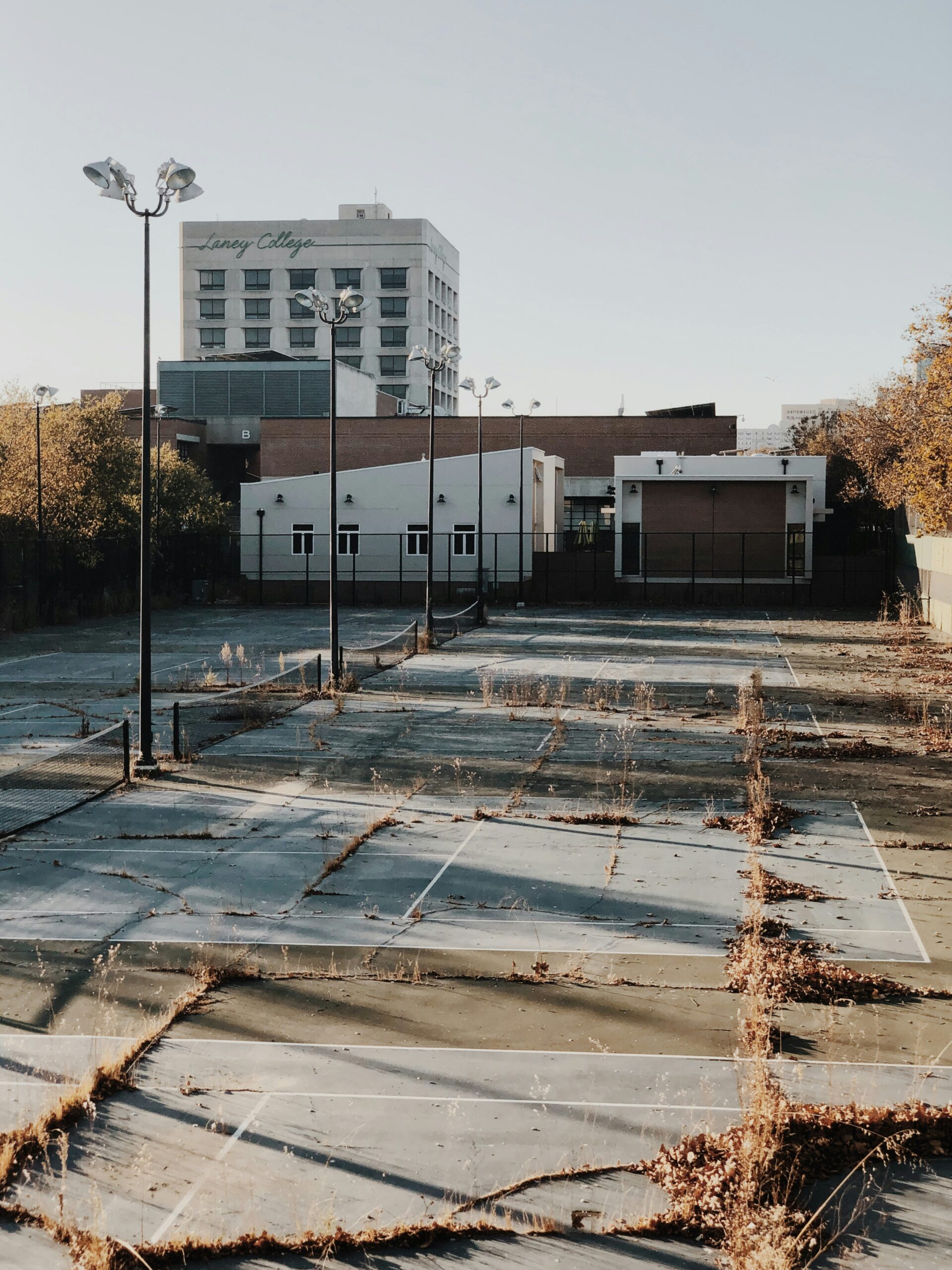
A Mountain View Slip-and-Fall Example
Consider an employee or visitor entering a Mountain View office building during rainy weather. Water has accumulated on a smooth lobby floor between the entrance and security desk. The entrance mat is saturated, and no warning sign has been placed in the area.
The visitor slips and sustains injuries to the wrist, shoulder, and lower back.
The property insurer may argue that:
- The water was open and obvious
- The building manager had no notice
- The injured person was looking at a phone
- The person’s shoes caused the fall
- The injuries were preexisting
- The water accumulated only moments earlier
Relevant evidence may include:
- Lobby surveillance footage
- Janitorial schedules
- Inspection records
- Weather and entrance conditions
- Incident reports
- Photographs
- Witness statements
- Earlier complaints
- Maintenance agreements
- Medical records
The claim may depend on whether the responsible parties used reasonable inspection and maintenance procedures and whether they had actual or constructive notice of the condition.

Attorney Observation About Mountain View Premises Claims
One issue we examine in Mountain View premises-liability claims is whether responsibility is divided among several companies.
A technology or commercial property may be owned by one entity, leased to a corporate tenant, managed by a facilities company, and cleaned by an outside contractor. Each party may deny control or rely on an agreement assigning responsibility to another organization.
A Mountain View slip-and-fall lawyer may review leases, facilities-management contracts, janitorial agreements, inspection procedures, work orders, and internal communications to determine who controlled the area and had authority to correct the condition.
Evidence may also be distributed among different parties. Surveillance recordings, access logs, maintenance records, and incident reports should therefore be identified and preserved promptly.
What Should You Do After a Mountain View Slip-and-Fall?
Report the Accident
Notify the property owner, manager, employee, landlord, security officer, or other person responsible for the location. Ask that an incident report be prepared and request a copy when available.
Photograph the Exact Condition
Take photographs and video of:
- The spill, defect, or obstruction
- The surrounding area
- Lighting conditions
- Warning signs—or the absence of warnings
- Your shoes and clothing
- Visible injuries
- The route you were walking
Take close-up and wide-angle photographs. A close-up may show the defect but not its dimensions or location.
Identify Witnesses
Obtain contact information from anyone who saw the fall, observed the condition, or heard employees discussing or cleaning the area.
Preserve Your Shoes and Clothing
Keep the shoes and clothing worn during the accident in their existing condition. Do not discard or alter them.
Obtain Appropriate Medical Care
Some fractures, concussions, ligament injuries, and spinal conditions may not be fully understood immediately after a fall.
Use Caution With Insurance Communications
Avoid providing a detailed recorded statement, signing a broad medical authorization, or accepting an early settlement before understanding the injuries and evidence.
Read our guide on what to do after falling in a store.
Who May Be Responsible for a Mountain View Slip-and-Fall?
Potentially responsible parties may include:
- Property owners
- Commercial tenants
- Residential landlords
- Property-management companies
- Corporate occupants
- Retail businesses
- Restaurants and hotels
- Janitorial companies
- Maintenance contractors
- Construction companies
- Public entities
- Other parties controlling the premises
Ownership alone does not necessarily determine responsibility. Important questions may include:
- Who possessed or controlled the area?
- Who performed inspections?
- Who created the hazardous condition?
- Who received earlier complaints?
- Who had authority to make repairs?
- How long did the condition exist?
- Were warnings provided?
- Would a reasonable inspection have discovered it?
California Law and Mountain View Slip-and-Fall Claims
Duty to Maintain Reasonably Safe Property
California property owners and others controlling premises generally must use reasonable care to maintain property in a reasonably safe condition.
Whether reasonable care was used may depend on:
- The type and use of the property
- The foreseeability of injury
- The nature of the hazard
- Inspection practices
- Prior complaints
- The opportunity to correct the condition
- Whether an adequate warning was provided
A fall alone does not establish negligence. The injured person generally must show how the unsafe condition caused the accident and why a defendant should be legally responsible.
Actual and Constructive Notice
A property owner or business may have actual notice when it knew about the danger.
Constructive notice may exist when the condition remained long enough that a reasonable inspection should have discovered it.
Relevant evidence may include:
- Inspection logs
- Cleaning schedules
- Surveillance footage
- Employee testimony
- Prior complaints
- Earlier incidents
- Work orders
- Maintenance requests
- The condition’s appearance
- Property policies
Learn more in our article about constructive notice in California premises-liability cases.
Comparative Negligence
An insurer may argue that the injured person was distracted, ignored a warning, wore unsuitable shoes, selected an unsafe route, or failed to observe an obvious condition.
California comparative-negligence principles may allow recovery even when the injured person shares some responsibility. Compensation may be reduced according to the percentage of fault assigned.
Time Limit for Filing a Lawsuit
California Code of Civil Procedure section 335.1 generally provides two years for many personal-injury lawsuits.
Different deadlines and exceptions may apply. Evidence may also disappear long before the limitations period expires. Video can be overwritten, defects repaired, and inspection records discarded.
Claims Involving Public Property
A government entity may be involved when a fall occurs on a public sidewalk, in a government building, or in an area affected by public construction or maintenance.
California Government Code section 911.2 generally requires a personal-injury claim against a public entity to be presented within six months after accrual.
Presenting a government claim is different from filing a lawsuit. Additional procedures and deadlines may apply, so public-property claims should be evaluated promptly.
Local Medical and Emergency Resources
Anyone experiencing a life-threatening emergency should call 911 or seek care at the nearest appropriate facility.
The El Camino Hospital Mountain View Emergency Room is located at 2500 Grant Road in Mountain View and is open 24 hours a day, seven days a week.
This facility is identified only as a general local resource. Aria Law Group is not affiliated with and does not endorse El Camino Health or any other hospital, physician, or medical provider.
Medical decisions should be based on the injured person’s symptoms and advice from qualified healthcare professionals.
Where Are Mountain View Slip-and-Fall Lawsuits Filed?
An accident occurring in Mountain View will generally be associated with Santa Clara County, although proper venue depends on the defendants and circumstances.
The Santa Clara County Superior Court Civil Division states that civil cases are heard at the Downtown Superior Court and Old Courthouse in San Jose.
Venue may depend on:
- Where the fall occurred
- Where a defendant resides
- Where a business operates
- Which parties are named
- Whether a public entity is involved
- Other procedural facts
Venue may affect filing procedures, local rules, court assignments, discovery, motion practice, and litigation strategy.
Compensation After a Mountain View Slip-and-Fall
Depending on the injuries and evidence, compensation may include:
- Emergency medical care
- Hospitalization
- Surgery
- Diagnostic testing
- Physical therapy
- Future medical treatment
- Lost wages
- Reduced earning capacity
- Pain and suffering
- Emotional distress
- Permanent impairment
- Loss of enjoyment of life
- Mobility equipment
- Home-care expenses
- Accessibility modifications
- Other accident-related losses
The value of a claim depends on the hazardous condition, notice evidence, responsible parties, injuries, treatment, comparative-fault arguments, available insurance, and future needs.
No attorney should promise a particular recovery before reviewing the case.
How Our Mountain View Slip-and-Fall Lawyer Can Help
Aria Law Group’s process may include:
Initial Evaluation
We discuss where and how the fall occurred, the unsafe condition, witnesses, injuries, medical treatment, and communications with the property owner or insurer.
Evidence Preservation
We identify surveillance footage, photographs, inspection records, incident reports, maintenance documents, leases, access logs, and other evidence that may require prompt preservation.
Property-Control Investigation
We determine who owned, occupied, managed, maintained, repaired, or controlled the location.
Notice Investigation
We examine how the condition arose, how long it may have existed, whether inspections occurred, and whether earlier complaints or repair requests were made.
Medical-Record Review
We evaluate medical records, diagnostic findings, treatment, prior conditions, restrictions, and future-care recommendations.
Damage Documentation
We document medical expenses, lost income, pain, mobility limitations, and the effect on work and daily activities.
Negotiation and Litigation
We may prepare a settlement demand and negotiate with the responsible parties and insurers. Litigation may become appropriate when control, notice, medical causation, or damages remain disputed.
For broader information, visit our main slip-and-fall lawyer page.
Mountain View Slip-and-Fall FAQs
What must I prove in a Mountain View slip-and-fall case?
You generally must establish that an unsafe property condition contributed to the fall and that a defendant created the danger, knew about it, or reasonably should have discovered and corrected it.
What if nobody witnessed my fall?
A claim may still be possible. Photographs, surveillance footage, incident reports, medical records, inspection documents, and evidence of the condition may help establish what happened.
What if the property owner repaired the condition?
A repair may make the original condition harder to document. Photographs, measurements, video, witness testimony, and maintenance records should be preserved promptly.
Can I recover if I was partly responsible?
Potentially. California comparative-negligence principles may allow recovery even when an injured person shares some fault, although compensation may be reduced.
What if I fell on a Mountain View sidewalk?
Responsibility depends on the precise location, cause of the defect, maintenance obligations, notice, nearby construction, and other circumstances. Mountain View performs sidewalk maintenance and improvement work, but public responsibility must be evaluated under the specific facts and government-claim rules.
What if I fell on a technology campus?
The property owner, corporate tenant, facilities manager, security company, janitorial contractor, or maintenance provider may possess relevant evidence or share responsibility. Leases, service agreements, access logs, and video should be reviewed.
How long do I have to file a case?
California generally provides two years for many personal-injury lawsuits. Claims involving public entities may require formal presentation within six months, and other exceptions may apply.
Do I need a Mountain View slip-and-fall lawyer?
Not every fall requires representation. Speaking with a Mountain View slip-and-fall lawyer may be helpful when injuries are serious, the condition was repaired, surveillance footage may be lost, several parties controlled the property, or the insurer disputes notice or liability.
Attorney Information
The published page should include:
- A professional attorney photograph
- Attorney’s full name
- California Bar status
- Accurate biography
- Relevant premises-liability experience
- Languages offered
- Genuine client testimonials
- Representative results where ethically permissible
- Clear office and contact information
- Attorney-profile link
- Attorney review date
Suggested attorney introduction:
[ATTORNEY NAME] is a California attorney who represents people injured in slip-and-fall and premises-liability accidents in Mountain View and throughout Santa Clara County. [He/She] evaluates property control, notice evidence, maintenance records, medical documentation, and comparative-fault issues before recommending a legal strategy.

Contact a Mountain View Slip-and-Fall Lawyer
A serious fall can lead to fractures, surgery, lost income, continuing pain, and disputes over whether a property owner or business knew about the dangerous condition.
Contact a Mountain View slip-and-fall lawyer at Aria Law Group to discuss an accident that occurred in Mountain View or elsewhere in Santa Clara County. We can review the property condition, available evidence, potentially responsible parties, and legal options that may be available.
Hero image
Use an original attorney photograph or a properly licensed photograph of a realistic walking-surface hazard.
Suggested attorney-image alt text:Mountain View slip-and-fall lawyer at Aria Law Group
Use this only when the image actually depicts the attorney.
Local property image
Use an original or properly licensed photograph of a Mountain View office entrance, downtown walkway, sidewalk, parking facility, or technology campus.
Suggested alt text:Commercial walkway in Mountain View
Evidence graphic
Suggested alt text:Evidence to preserve after a Mountain View slip-and-fall accident
Attorney photograph
Suggested alt text:Aria Vatankhah, California premises-liability attorney at Aria Law Group
Add these links as the pages are published:
- Mountain View Truck Accident Lawyer
- Santa Clara County Personal Injury Lawyer
- Silicon Valley Personal Injury Lawyer
- Palo Alto Slip-and-Fall Lawyer
- Sunnyvale Slip-and-Fall Lawyer
- Los Altos Slip-and-Fall Lawyer
- California Comparative Negligence
- Case Results
- Client Testimonials
The information on this page is provided for general informational purposes and does not constitute legal advice. Viewing this page or contacting Aria Law Group does not create an attorney-client relationship. Every matter is different, and prior results do not guarantee a similar outcome.
Attorney advertising.