
Silicon Valley Dog Bite Lawyer
Injured by a Dog Bite?
Start Your Free Consultation
Where Dog Bites Happen
Record where you were and why you were there. Public spaces, private invitations and deliveries can leave different kinds of evidence.
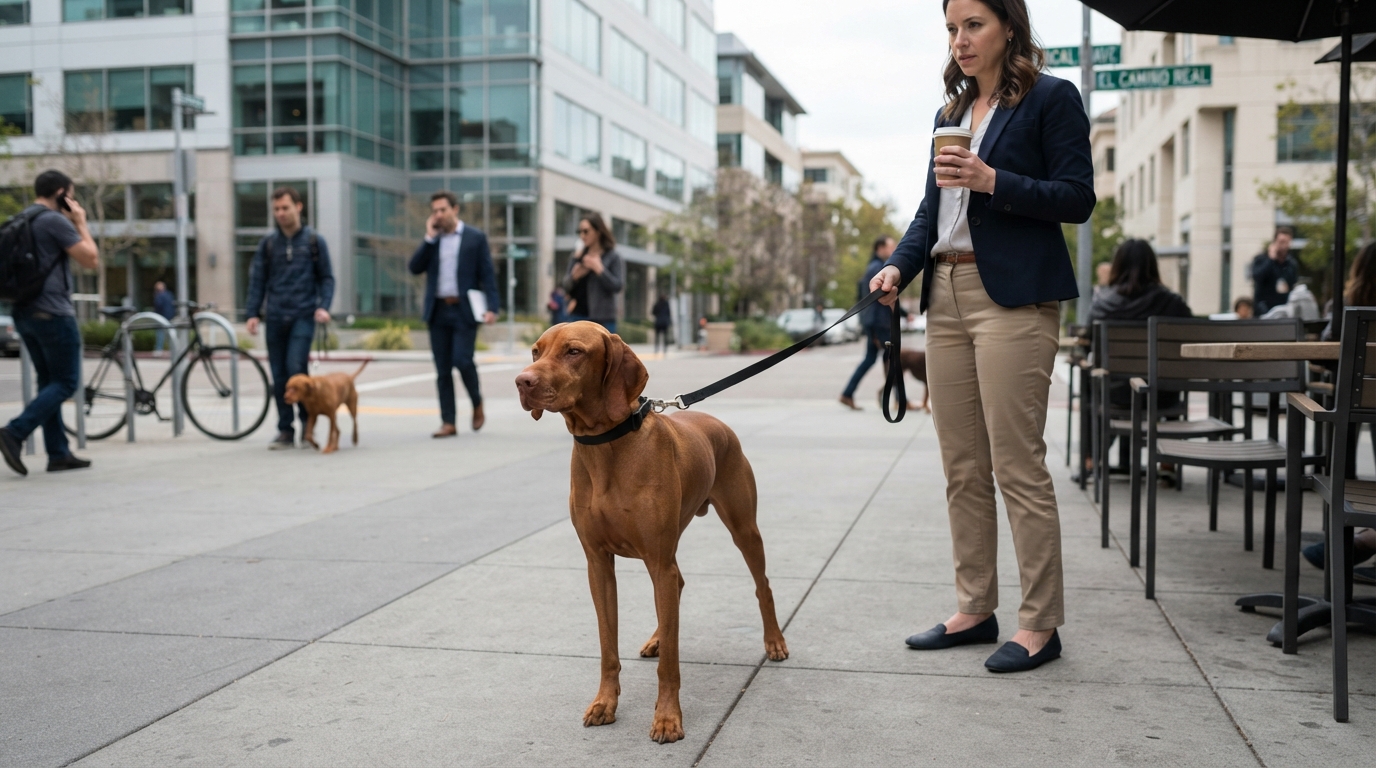
Public Places
Identify the exact place and time so witnesses or recordings can be located.
- Sidewalks and neighborhood streets
- Parks and shared paths
- Entrances to shops and public areas
Visits to Private Property
Keep records that explain the purpose of the visit and how you entered.
- Text messages or invitations
- Building access or visitor instructions
- Names of other people present
Deliveries and Service Calls
Work records may help explain the timing and reason for being at the property.
- Delivery or work order
- Address and access instructions
- Doorbell camera or witness information
How California’s Dog Bite Law Applies
California Civil Code section 3342 generally holds a dog owner liable for injuries from a bite when the person was in a public place or lawfully on private property. The statute generally does not require the injured person to show the dog had bitten before or that the owner knew the dog was dangerous.
Who owned the dog and whether the injured person was lawfully at the location can matter. The rule has limits and fact-specific exceptions. If a dog knocked someone down without biting, the bite statute may not apply and a different legal analysis may be needed.
Record the owner’s name and contact details if available. Save the incident report and proof of the reason you were there, such as a delivery record or invitation. Document treatment, follow-up appointments and time missed from work. See the CDC’s dog bite guidance for treatment and reporting information.
What to Save After a Silicon Valley Dog Bite
Get to safety and seek prompt medical advice. Follow your healthcare provider’s instructions about treatment and possible rabies exposure.
When you are safe, write down the time, address and what happened. Take photos of the injury over time. If you contact local animal control, keep the report number and any follow-up information. Avoid trying to approach or restrain the dog to gather details.
Dog bite evidence checklist
- Owner’s name and dog description, if known
- Exact location and reason you were there
- Animal control report number and witness contacts
- Original photos and available video
- Treatment records, receipts and missed work
Why the Exact Location Matters
An apartment walkway, a public sidewalk and a gated yard may raise different questions about access and who was present. Record the nearest address and whether you were in a shared area, at the property entrance or elsewhere. The exact address also helps identify the local agency that handles animal reports.
Our Palo Alto office serves the Peninsula and South Bay. If the bite happened elsewhere in the region, see our Bay Area personal injury page for related services.
Check the California statute
The statute explains when a dog owner may be responsible for a bite, including the distinction between a public place and being lawfully on private property.
California Judicial Council dog bite instruction (CACI No. 463)


 Trustindex verifies that the original source of the review is Google.
 Trustindex verifies that the original source of the review is Google.
 Trustindex verifies that the original source of the review is Google.
 Trustindex verifies that the original source of the review is Google.
 Trustindex verifies that the original source of the review is Google.
 Trustindex verifies that the original source of the review is Google.
 Trustindex verifies that the original source of the review is Google.
 Trustindex verifies that the original source of the review is Google.
 Trustindex verifies that the original source of the review is Google.
 Trustindex verifies that the original source of the review is Google.
Frequently Asked Questions
What if the owner says the dog has never bitten anyone before?
A prior bite generally is not required under California’s dog bite statute. The circumstances, dog ownership, location and evidence of injury still matter.
What if I do not know who owns the dog?
Save the exact location, description of the dog, witness information and any animal control report number. Those details can help identify the owner even if you could not get a name at the scene.
What if a dog caused a fall without biting me?
The dog bite statute addresses bites. A fall or other injury without a bite may involve different rules. Preserve the same facts about where it happened, who controlled the dog and what you observed.
Speak With a Silicon Valley Dog Bite Lawyer
Aria Law Group can review the location, ownership information, incident records and treatment with you. Bring what you have, even if you are still waiting for an animal control report or do not know the owner’s name.